In Vastu Shastra, directions are not merely geographical concepts—they are energy fields that profoundly influence our lives. Understanding the science behind directional energies, particularly the contrast between North and South, can transform how you design and experience your living spaces.
The Foundation of Directional Science
Vastu recognizes eight primary directions, each governed by specific cosmic forces and elemental energies. The North-South axis represents one of the most significant energy polarities in any structure.
North: The Direction of Wealth and Opportunities
Governing Deity: Kubera (Lord of Wealth)
Element: Water
Energy Type: Magnetic and receptive
The North direction is naturally aligned with the Earth's magnetic field, making it highly conducive to attracting prosperity and opportunities.
Scientific Basis
The Earth's magnetic field runs from South to North. When we align our living spaces with this natural flow, we create harmony between cosmic energy and personal energy.
Key Applications in Your Home:
- Main entrance: North-facing doors invite prosperity
- Cash counter/safe: Place in the North for financial growth
- Water features: Fountains or aquariums work well in the North
- Study area: Enhances concentration and learning
South: The Direction of Fame and Recognition
Governing Deity: Yama (Lord of Justice)
Element: Fire
Energy Type: Projective and active
The South direction carries powerful, transformative energy that supports leadership, fame, and recognition.
Key Applications:
- Master bedroom: South or Southwest enhances stability
- Heavy furniture: Should be placed in the South
- Kitchen: Southeast (between South and East) is ideal
- Boundary walls: Should be higher in the South
The North-South Energy Dynamic
Magnetic Influence
Scientific studies show that sleeping with your head facing South aligns your body's magnetic field with Earth's, improving sleep quality and health. This is because our body acts like a compass needle.
Energy Flow Patterns
- North to South: Natural energy flows from North to South
- Heavy to Light: South should have more weight (furniture, walls)
- Open to Closed: North can be more open, South more enclosed
Practical Implementation in Modern Homes
For Apartments:
- Identify True North: Use a compass app to find magnetic North
- Plan furniture placement: Heavy items in South, light in North
- Mirror placement: Avoid large mirrors in the South wall
- Lighting: Natural light from North is ideal for workspaces
For Offices:
- Reception area: North or Northeast for welcoming energy
- CEO/Manager cabin: Southwest for authority and stability
- Conference room: Center or West for balanced discussions
- Accounts department: North for financial accuracy
Common Misconceptions
Myth 1: "North is always better than South"
Reality: Both directions have their strengths. The key is using them appropriately for different functions.
Myth 2: "Direction doesn't matter in high-rise buildings"
Reality: Directional energy works regardless of building height. The cosmic forces remain constant.
Myth 3: "You need major renovations for Vastu compliance"
Reality: Simple adjustments in furniture placement and room usage can create significant improvements.
The Technology Connection
Modern research in biorhythms and circadian cycles supports many Vastu principles:
- Magnetic field sensitivity: Humans are sensitive to magnetic field variations
- Light therapy: North-facing windows provide consistent, non-harsh natural light
- Sleep science: South-facing sleep positions align with Earth's magnetic field
Balancing North-South Energies
Creating Harmony:
- Use both directions strategically: Don't favor one over the other
- Color therapy: Cool colors in North, warm colors in South
- Material choices: Metals in North, earth materials in South
- Plant placement: Flowering plants in South, leafy plants in North
Remedies for Directional Imbalances
If your space has directional challenges, consider these non-structural remedies:
For Weak North Energy:
- Place a small water fountain in the North
- Use mirrors to reflect light from North
- Keep the North area clutter-free and well-lit
For Excessive South Energy:
- Add plants to soften fire energy
- Use earth tones in South areas
- Ensure adequate ventilation
Personal Energy Alignment
Your personal relationship with directions can be enhanced through:
Daily Practices:
- Morning meditation: Face East for new energy
- Work activities: Face North for focus and prosperity
- Rest periods: Align with South-North axis for deeper relaxation
Seasonal Adjustments:
- Summer: Emphasize North and East orientations
- Winter: Utilize South and West directions for warmth
Conclusion
The science of directions in Vastu is rooted in the understanding that we are part of a larger cosmic system. By aligning our living spaces with these natural forces, particularly the North-South energy axis, we create environments that support our physical health, mental clarity, and spiritual growth.
Remember, Vastu is not about rigid rules but about creating harmony. Start with small adjustments and observe the changes in your energy and circumstances. The key is consistency and awareness of how directional energies interact with your daily life.
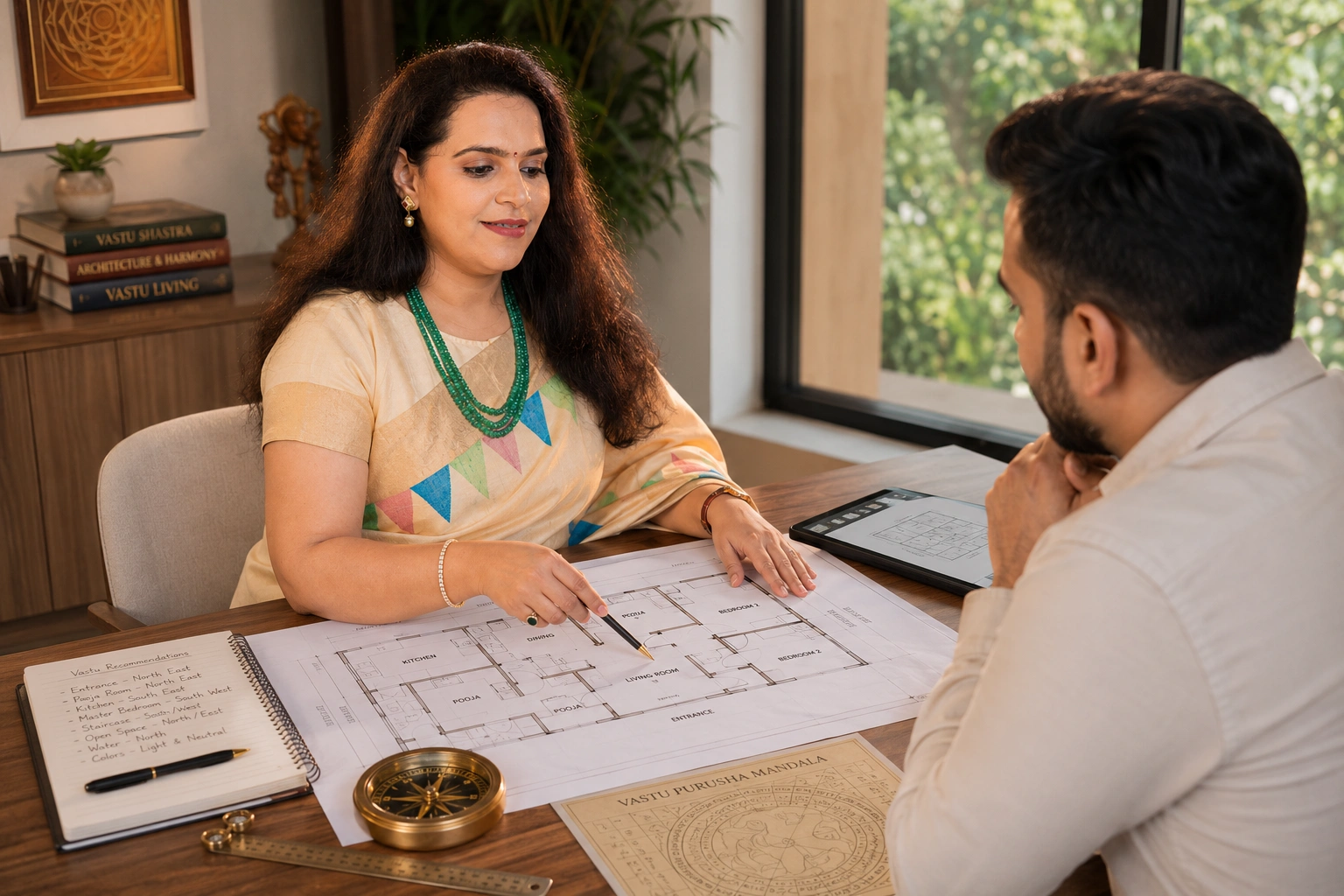
For a personalized directional analysis of your space, book a consultation with Shilpa Ranjeet Dugar.