In the world of conscious living and spiritual wellness, two terms often surface: "Energy Alignment" and "Vastu." While they share common goals of creating harmonious living spaces, they represent different approaches to understanding and working with the subtle energies that surround us.
As someone who practices both disciplines, I often get asked: "What's the difference, and which one should I choose?" The truth is, they're complementary rather than competing philosophies.
Understanding Vastu Shastra
Traditional Foundation
Vastu Shastra is an ancient Indian architectural science, dating back over 5,000 years. It's a systematic approach based on:
- Sacred geometry: Mathematical principles governing spatial harmony
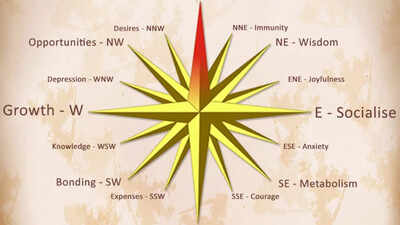
- Directional science: Eight directions with specific energetic qualities
- Elemental balance: Integration of five elements (earth, water, fire, air, space)
- Cosmic alignment: Synchronization with planetary and stellar influences
Core Principles:
- Fixed directional rules: Specific functions for each direction
- Geometric patterns: Sacred proportions and shapes
- Material guidelines: Specific materials for different areas
- Structural requirements: Load distribution and spatial arrangements
Vastu Applications:
- Site selection and orientation
- Room placement and functions
- Entrance positioning
- Kitchen and bathroom locations
- Furniture arrangement
- Color and material choices
Understanding Energy Alignment
Modern Intuitive Approach
Energy Alignment is a contemporary practice that focuses on:
- Intuitive sensing: Feeling and reading energy patterns
- Personal resonance: What feels right for each individual
- Chakra systems: Aligning space with human energy centers
- Intention setting: Using conscious intention to shift energy
- Clearing practices: Removing stagnant or negative energies
Core Principles:
- Personal sensitivity: Each person's unique energy signature
- Flexible approach: Adaptable to individual needs and spaces
- Holistic integration: Mind, body, spirit connection
- Energetic clearing: Regular cleansing and renewal practices
Energy Alignment Applications:
- Space clearing and blessing
- Crystal and sound healing
- Meditation and intention work
- Personal energy balancing
- Chakra-based room design
- Emotional healing through space
Key Differences
Approach to Rules
Vastu: Follows established principles that have been tested over millennia. There are specific guidelines for each situation.
Energy Alignment: More flexible and intuitive. What works for one person might not work for another.
Cultural Context
Vastu: Rooted in Indian culture and Hindu cosmology. Uses Sanskrit terminology and traditional practices.
Energy Alignment: Universal and multicultural. Draws from various healing traditions worldwide.
Measurement Methods
Vastu: Uses precise measurements, compass directions, and mathematical calculations.
Energy Alignment: Relies on intuitive sensing, dowsing, and personal energy awareness.
Timeline
Vastu: Ancient wisdom with centuries of documented results.
Energy Alignment: Modern synthesis of various energy healing modalities.
Where They Overlap
Shared Goals:
- Creating harmonious living spaces
- Improving health and well-being
- Enhancing prosperity and success
- Supporting spiritual growth
- Balancing elemental energies
Common Practices:
- Space clearing and purification
- Intentional furniture placement
- Use of natural materials
- Color therapy applications
- Incorporation of natural elements
The Integrated Approach: Best of Both Worlds
In my practice, I've found that combining both approaches creates the most comprehensive and effective results. Here's how:
Foundation with Vastu
Start with Vastu principles to create a solid energetic foundation:
- Proper directional alignment
- Correct room placement
- Structural harmony
- Elemental balance
Personalization with Energy Alignment
Then customize with energy alignment practices:
- Personal energy assessment
- Intuitive adjustments
- Individual healing needs
- Emotional and spiritual preferences
Practical Application Examples
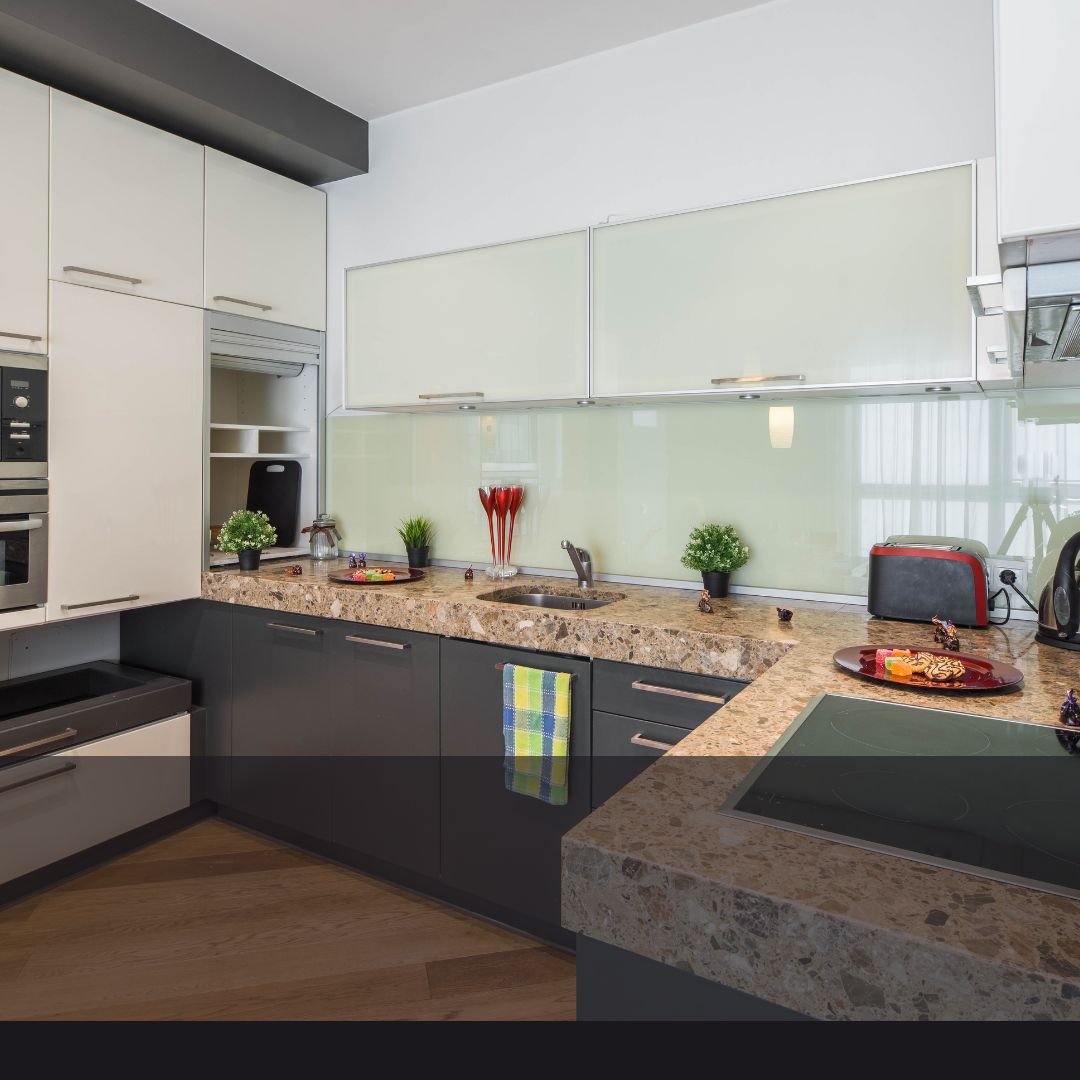
Kitchen Design
Vastu Approach:
- Place in Southeast direction
- Stove facing East
- Sink separate from stove
- Specific color guidelines
Energy Alignment Approach:
- Feel the energy flow in the space
- Use colors that personally resonate
- Add crystals or plants for energy enhancement
- Create intention and blessing rituals
Integrated Approach: Use Vastu guidelines as the foundation, then add personal energy practices that feel right for your family's specific needs.
Bedroom Optimization
Vastu Guidelines:
- Master bedroom in Southwest
- Bed placement away from direct door line
- Avoid mirrors facing the bed
- Specific color recommendations
Energy Alignment:
- Clear personal energy before sleep
- Use crystals for dream enhancement
- Personal meditation space
- Emotional healing corner
Office Spaces
Vastu Framework:
- Face North or East while working
- Reception in North or Northeast
- Manager cabin in Southwest
- Proper entrance alignment
Energy Enhancement:
- Personal power objects on desk
- Regular energy clearing practices
- Intention setting for projects
- Stress-relief energy corners
Choosing the Right Approach for You
Consider Vastu If:
- You prefer structured, time-tested guidelines
- You're building or renovating a space
- You want comprehensive architectural guidance
- You resonate with traditional wisdom
Consider Energy Alignment If:
- You're highly intuitive and energy-sensitive
- You prefer personalized, flexible approaches
- You're focused on emotional and spiritual healing
- You want to work with existing spaces
Consider Both If:
- You want the most comprehensive approach
- You're serious about optimizing your environment
- You appreciate both ancient wisdom and modern insights
- You want sustainable, long-term results
Common Misconceptions
"They Contradict Each Other"
Reality: Both systems work with the same universal energies, just through different lenses.
"You Must Choose One"
Reality: The most effective approach often combines both methodologies.
"Energy Work Isn't Scientific"
Reality: Modern quantum physics increasingly supports the existence of subtle energy fields.
The Future of Space Harmony
As our understanding of consciousness and energy evolves, the integration of ancient wisdom like Vastu with modern energy practices represents the future of conscious living. This synthesis honors time-tested principles while remaining open to personal intuition and contemporary insights.
Making It Practical
Start Simple:
- Learn basic Vastu principles for your space type
- Develop your energy sensitivity through meditation and practice
- Experiment with small changes and observe the effects
- Trust both knowledge and intuition in your decisions
Professional Guidance:
Consider working with practitioners who understand both systems. This integrated approach can provide you with:
- Solid foundational principles
- Personalized energy assessment
- Customized recommendations
- Ongoing support and guidance
Conclusion
Rather than seeing Vastu and Energy Alignment as separate or competing approaches, view them as complementary tools in your conscious living toolkit. Vastu provides the architectural framework, while Energy Alignment adds the personal, intuitive touch that makes a space truly yours.
The goal isn't to choose between ancient wisdom and modern practices—it's to create spaces that support your highest potential by honoring both universal principles and personal truth.
For guidance on integrating both Vastu and Energy Alignment in your space, book a comprehensive consultation with Shilpa Ranjeet Dugar.