Names and specific locations have been changed to protect client privacy, but the case study details and results are authentic.
When the Sharma family reached out to me in October 2024, they were struggling with what they described as "a cloud over the house." Despite a loving relationship and comfortable means, the household had been dealing with recurring health issues, digestive problems, and constant low-level tension for over a year. Medical check-ups had ruled out serious illness, but no one in the family felt truly well.
"The kitchen is the heart of our home, but it never felt right," Mrs. Sharma told me during our first consultation. "We argued more near the stove than anywhere else. The children had stomach issues. We were all tired all the time."
This case study shows how correcting the kitchen's fire element placement and its directional energy can restore peace and well-being for an entire household.
Initial Assessment: The Kitchen as Energy Centre
Kitchen Layout Analysis
The 1,200 sq ft apartment had a modern open-plan layout with the following kitchen characteristics:
Stove/Cooktop: North-facing (fire in water direction—major imbalance)
Sink: East corner (acceptable but clashing with adjacent fire)
Main cooking zone: Visible from living room (fire energy spilling into rest area)
Exhaust: Northwest (weakening the fire element's exit)
Storage: Heavy cabinets in Northeast (blocking positive morning energy)
Fire Element Observation
In Vastu, the kitchen is governed by Agni (fire). Its placement and direction directly influence digestion, vitality, and family harmony. During my site visit, I noted:
- Wrong direction for fire: The stove faced North, which is the water element's zone. Fire and water in conflict created constant subtle stress.
- No clear "fire zone": Cooking, washing, and prep were mixed without a defined fire-dominant area.
- Clutter around the stove: Spice racks, utensils, and decor crowded the cooking space, stifling the fire element.
- Poor ventilation alignment: The exhaust did not align with the natural exit direction for smoke and heat.
- Color imbalance: Cool blues and greys in the kitchen further suppressed fire energy.
Family Behaviour Patterns
I asked the family to track a few simple things before our correction plan:
- Arguments or tension often started or escalated in or near the kitchen
- Digestive discomfort was common after meals
- Sleep quality was better when they ate out or had lighter meals
- The person who cooked most often (Mrs. Sharma) felt the most drained
The Vastu Prescription: Fire Element Correction
Based on my analysis, I recommended a focused correction plan centred on relocating and reorienting the kitchen fire element and balancing directional energy.
Phase 1: Immediate Corrections (Week 1)
1. Stove Direction and Placement
Problem: Stove in North (water zone), fire weakened and in conflict
Solution:
- Relocated the gas stove to the Southeast corner of the kitchen (ideal fire zone in Vastu)
- Ensured the person cooking faced East while at the stove (auspicious and energising)
- Kept the stove away from the sink to avoid direct fire–water opposition
- Created a clear "fire zone" with no storage or clutter directly above or beside the burners
2. Fire Zone Definition
Problem: No distinct fire area; energy scattered
Solution:
- Designated Southeast as the sole cooking zone
- Moved microwave and any secondary heat sources to the same zone
- Used a low partition (open shelf) to separate cooking from washing and prep without blocking light or flow
- Ensured the exhaust/chimney was in the Southeast or South to allow heat and smoke to exit in a fire-friendly direction
3. Colour and Material Adjustments
Problem: Cool colours and materials suppressing fire
Solution:
- Introduced warm accents: terracotta, soft orange, or muted red in the Southeast (tiles, backsplash, or accessories)
- Avoided solid blue or black near the stove
- Used natural materials (stone, clay) for counter near stove where possible
- Ensured the fire zone was well lit (bright, warm lighting)
Phase 2: Directional Energy Balance (Week 2–3)
4. Sink and Water Placement
Problem: Sink too close to stove; water and fire competing
Solution:
- Kept sink in North or Northeast (water-friendly zones) but ensured a clear gap from the stove
- No direct line of sight between stove and sink from the cooking position
- Added a small plant or wooden element between stove and sink to symbolically separate fire and water
5. Northeast and Morning Energy
Problem: Heavy cabinets and clutter in Northeast blocking positive energy
Solution:
- Cleared Northeast corner of heavy storage; moved rarely used items to Southwest or West
- Used Northeast for a small water feature, plant, or morning light—nothing heavy or dark
- Ensured the kitchen had good natural light, especially from East, to support vitality
6. Dining and Circulation
Problem: Fire energy spilling into living and dining area
Solution:
- Ensured the dining table was not in direct line with the stove flame
- Kept kitchen entrance/exit clear so energy could flow without trapping heat or smoke in the rest of the home
- Soft separation (e.g., plant, curtain, or half-wall) between kitchen and living space so the fire zone remained defined
Phase 3: Ritual and Maintenance (Ongoing)
7. Daily Fire Ritual
- Light a small lamp or candle in the Southeast corner of the kitchen each morning (optional; only if safe and feasible)
- Keep the stove and surrounding area clean and uncluttered
- Avoid storing broken or unused appliances near the fire zone
8. Elemental Balance in the Rest of the Home
- Ensured North had a touch of water element (e.g., a small fountain or blue accent) to balance the strengthened fire in Southeast
- Kept Southwest (master bedroom area) heavy and stable with earth tones and minimal fire symbolism
Implementation Challenges and Solutions
Challenge 1: Fixed Gas Line
The family could not move the gas pipeline easily.
Solution: We kept the stove in the same general area but reoriented it so the cook faced East and the burners were symbolically in the Southeast quadrant. We also strengthened the fire zone with colour, lighting, and decluttering.
Challenge 2: Open-Plan Constraint
The kitchen was open to the living room.
Solution: Used a lightweight shelf, plants, and a clear "fire zone" boundary so the cooking area felt distinct without closing off the space. Avoided placing the sofa or dining table in direct line with the stove.
Challenge 3: Family Habits
Old habits of arguing or gathering in chaotic spots near the stove.
Solution: Involved the whole family in the changes, explained why the fire zone matters for health and mood, and created a simple rule: no difficult conversations while standing directly at the stove. Mealtime discussions moved to the dining table.
Results: Restored Peace and Well-Being
Within 30 Days
- Fewer arguments: Family reported noticeably less tension, especially around meal times
- Digestion: Fewer complaints of bloating and discomfort after meals
- Energy: The person doing most of the cooking felt less drained by evening
- Sleep: Several family members reported improved sleep without any other lifestyle change
Within 60 Days
- Overall mood: The household described the home as feeling "lighter" and "calmer"
- Health: No new health issues; existing minor digestive issues continued to improve
- Routine: The kitchen became a place the family wanted to gather in a positive way, not a source of stress
90 Days and Beyond
- Sustained harmony: The improvements in mood and health held without further structural changes
- Habits: The family adopted simple daily practices (e.g., keeping the fire zone clean, morning light in the kitchen) as part of their routine
- Feedback: "We didn't believe it would work, but the difference is real. The kitchen finally feels like the heart of our home in a good way."
Key Success Factors
1. Fire in the Right Direction
Placing and orienting the stove in the Southeast (fire zone) and having the cook face East removed the fundamental fire–water conflict and supported digestion and vitality.
2. Clear Zones
Defining a dedicated fire zone (cooking) and keeping water (sink) and heavy storage in their appropriate directions reduced clutter and energetic confusion.
3. Small Rituals
Simple, consistent practices—clean stove, good light, no clutter in the fire zone—helped maintain the benefits over time.
4. Family Involvement
Explaining the logic and involving everyone in small changes (e.g., where to stand during conversations, keeping the fire zone clear) created buy-in and lasting change.
Lessons for Other Households
Universal Principles
- Kitchen fire belongs in Southeast: When possible, place the stove in the Southeast and cook facing East.
- Separate fire and water: Keep stove and sink apart and avoid direct opposition.
- Fire zone should be clear: No clutter, heavy storage, or cool colours right around the stove.
- Light and air: Good ventilation and warm, bright light support the fire element and the cook’s energy.
- Northeast stays light: Keep the Northeast corner of the kitchen (and home) light, clean, and positive.
Actionable Steps for Any Kitchen
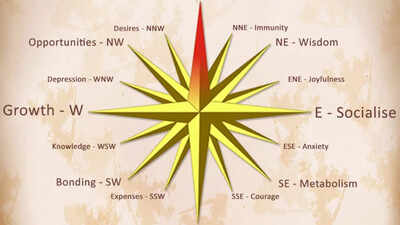
- Identify where your stove sits relative to the four directions (use a compass).
- If the stove is in North or Northeast, consider reorienting the cook to face East and strengthening the Southeast with colour and light.
- Declutter the area around the stove and keep the exhaust clean and functional.
- Ensure the sink is not directly opposite or too close to the stove.
- Introduce warm colours and good lighting in the cooking zone.
Conclusion: The Kitchen as a Source of Wellness
The Sharma family’s experience shows that the kitchen is not just a functional space—it is a powerful energy centre. When the fire element is in the wrong direction or suppressed, it can affect digestion, mood, and family harmony. Relocating and correcting the kitchen fire element and its directional energy can restore a sense of peace and well-being for the entire household.
If your family is facing unexplained tension or health issues and your kitchen has never been assessed from a Vastu perspective, a focused kitchen and fire-element consultation may help.
Disclaimer: Results may vary based on individual circumstances, implementation quality, and other factors. This case study represents one example and should not be considered a guarantee of specific outcomes.